Safe Removal of Damp-Damaged Rubbish in Stockwell Flats
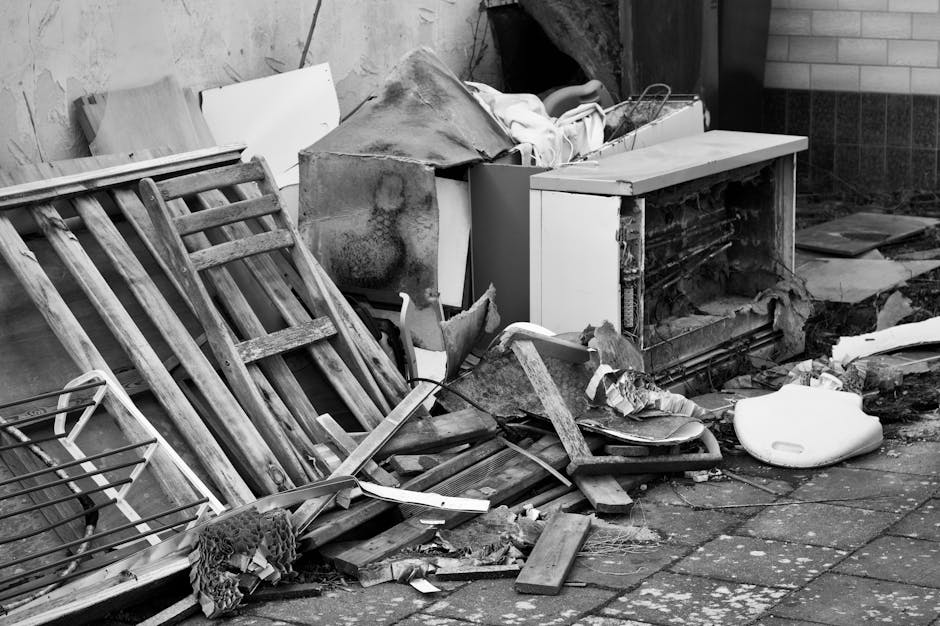
Damp in a flat has a way of turning ordinary clutter into something a bit more awkward, and sometimes a bit more unpleasant too. A box of books that looked fine last week can smell musty today. A sofa stored against a cold wall can start to feel clammy. Cardboard softens, fabrics go patchy, and rubbish that once seemed harmless suddenly needs careful handling. This guide to Safe Removal of Damp-Damaged Rubbish in Stockwell Flats explains what should be removed, why it matters, and how to deal with it without making the mess, smell, or safety risk worse.
If you live in a Stockwell flat, you may be dealing with a small hallway, shared stairs, limited storage, and neighbours just on the other side of the wall. That changes the job quite a lot. You want the rubbish out quickly, but you also want it done cleanly, discreetly, and without spreading mould spores or damaging communal areas. Let's face it: nobody wants damp furniture parked by the front door for two more days.
This article covers the practical side of the removal process, the common mistakes people make, what to do before anything leaves the flat, and how to choose the safest approach for your situation. If you are also dealing with wider clear-out work, you may find our pages on flat clearance and waste removal useful alongside this guide.
Table of Contents
- Why Safe Removal of Damp-Damaged Rubbish in Stockwell Flats Matters
- How Safe Removal of Damp-Damaged Rubbish in Stockwell Flats Works
- Key Benefits and Practical Advantages
- Who This Is For and When It Makes Sense
- Step-by-Step Guidance
- Expert Tips for Better Results
- Common Mistakes to Avoid
- Tools, Resources and Recommendations
- Law, Compliance, Standards, or Best Practice
- Options, Methods, or Comparison Table
- Case Study or Real-World Example
- Practical Checklist
- Conclusion
- Frequently Asked Questions
Why Safe Removal of Damp-Damaged Rubbish in Stockwell Flats Matters
Damp-damaged rubbish is not just untidy. In a flat, it can create a chain reaction of problems that are easy to underestimate at first. Moist materials can hold odour, attract more mould growth, and make the surrounding space feel colder and more humid. If there is cardboard, upholstery, mattresses, plasterboard offcuts, or old soft furnishings in the mix, the issue can become much more difficult to manage than a standard tidy-up.
The bigger issue is that flats have confined routes. A damp armchair dragged through a narrow landing leaves a trail. A leaking bag of rubbish can stain carpets or stairs. If the item has visible mould, the spores may spread when it is handled roughly. It is not dramatic to say that careless removal can make the room feel worse, not better. Been there, seen that, and it never helps.
There is also a shared-building angle. In Stockwell, many flats sit in converted houses, purpose-built blocks, or managed estates. That means your removal work may affect hallways, lifts, bin stores, and neighbours' access. A careful approach protects communal areas and keeps the process respectful, which matters just as much as speed.
Safe removal also supports better decision-making. Once a damp issue has begun, people often try to save everything. In reality, some items can be cleaned and dried, while others are best disposed of promptly. Knowing the difference reduces stress and saves time. It also helps you avoid keeping contaminated items around "just in case", which is a common but messy mistake.
Expert summary: If damp has reached rubbish, the goal is not only to throw things away. The goal is to remove contaminated items safely, protect the route out of the flat, and stop the problem from coming back through poor handling or delayed disposal.
How Safe Removal of Damp-Damaged Rubbish in Stockwell Flats Works
The process is usually simpler when it is planned properly. In practice, safe removal comes down to sorting, containing, carrying, cleaning, and disposing. Each step matters, especially in a flat where space is tight.
1. Assess what is damp, mouldy, or salvageable
Start by separating the contents into three broad groups: items that are clearly contaminated, items that might be cleaned and dried, and items that are not damaged at all. Damp cardboard, swollen chipboard, mouldy textiles, and waterlogged paper waste are usually easiest to remove rather than try to rescue. A plastic storage box with surface condensation may be fine after drying. A soft toy that smells of mildew is usually another story.
2. Bag and contain the rubbish before moving it
Containment is important because loose debris can shed dust and spores as it moves. Use strong sacks or wrap larger items securely so the route through the flat stays as clean as possible. If an item is dripping, place absorbent material underneath it first. Truth be told, this bit sounds small until someone steps into a leak on the stairs.
3. Plan the route out of the flat
Before you lift anything, check the route through the hallway, doorway, lift, stairwell, or external access point. Move fragile items, open doors, and clear trip hazards. In a Stockwell flat, the difference between an easy lift and a frustrating one is often just a few centimetres and a bit of planning.
4. Protect the building as you go
Use covers, sheets, or temporary floor protection where needed. If items are mouldy, avoid brushing them against walls or carpets. Keep the movement controlled rather than rushed. Most damage during clearance happens at the edges of the job, not the centre.
5. Separate disposal streams where possible
Not all damp-damaged rubbish is the same. Some materials may be recyclable if they are clean enough, while heavily contaminated items may need disposal as general waste. If you are sorting larger mixed loads, the approach used for furniture disposal can be helpful where damaged chairs, tables, or shelving are involved. For broader household contents, a home clearance approach may fit better.
6. Clean the area after removal
Once the rubbish is out, the room needs more than a quick air freshener. Wipe hard surfaces, vacuum carefully where appropriate, and dry the space properly. If mould is widespread or the smell returns quickly, that is a sign the damp source still needs attention. Removal is only half the story.
Key Benefits and Practical Advantages
There is a strong practical case for handling damp-damaged rubbish properly rather than improvising. The benefits are not just about neatness, though that helps. They show up in health, safety, and peace of mind too.
- Less risk of spreading mould: careful handling reduces the chance of spores or contaminated dust moving through the flat.
- Cleaner shared spaces: hallways, lifts, and stairwells stay better protected.
- Faster recovery: once the rubbish is removed, the flat can be cleaned and dried more effectively.
- Better judgement on salvageable items: you are less likely to keep things that should really go.
- Lower stress: a controlled plan feels more manageable, especially if the damp incident happened suddenly after rain or a leak.
There is also a subtle but important benefit: people make better decisions when the process is calm. Panic leads to half-sorted piles and items being moved twice. Calm leads to one clear route, one proper load, and one less headache. Small thing, big difference.
If the damp-damaged items are part of a larger clear-out, you may need a more complete service such as house clearance or furniture clearance rather than treating the job as a one-off bin run. Matching the method to the size of the job usually saves time and effort.
Who This Is For and When It Makes Sense
This kind of removal is useful for tenants, homeowners, landlords, letting agents, and property managers. It becomes especially relevant after leaks, condensation problems, bathroom overflows, roof seepage, or a period of poor ventilation. In a flat, damp can creep in quietly. One day the room feels a bit heavy; a few days later there is a smell and a pile of ruined things in the corner.
You may need this service if:
- stored furniture, clothes, or boxes have become damp or mouldy
- a leak has damaged rubbish already waiting to go out
- you are clearing a flat after a water event and want contaminated items removed safely
- there is limited space to keep damaged rubbish while waiting for repairs
- the items are too bulky or unpleasant to carry through the building yourself
It also makes sense if the rubbish is in a room that still needs work. For example, if you are preparing for repairs or redecoration, removing the damaged material first gives contractors a cleaner starting point. That can matter a lot in compact flats where every square metre counts.
Some people ask whether this is overkill for a few damp bags. Honestly, not always. If the bags are light, sealed, and not contaminated with mould, a simple removal may be enough. If there is odour, visible growth, or soggy material that may tear on the stairs, a safer approach is usually worth it.
Step-by-Step Guidance
Here is a practical way to tackle the job without turning the flat into a temporary storage unit for bad smells.
- Stop the moisture source if you can do so safely. If a leak is ongoing, getting the rubbish out before it gets worse is wise, but only after you have reduced the risk of further soaking.
- Open windows and improve airflow. Even a small breeze can help reduce stuffiness while you work.
- Sort the items. Keep salvageable items apart from contaminated waste. Use clear labels if the job is taking more than one session.
- Put on suitable protection. At minimum, use gloves. For mouldy or dusty items, a mask and old clothes are sensible too.
- Bag smaller waste securely. Do not overfill sacks. They split at the worst moment, usually halfway down the stairs.
- Wrap larger items. Furniture, bedding, and soft items should be contained so they do not shed debris.
- Clear the route before moving. Check for trip hazards, wet patches, and awkward turns.
- Move one item at a time. Slow is smooth; smooth is safe.
- Dispose of the rubbish through the right channel. Mixed damp waste often needs general clearance rather than recycling, unless the materials are clean enough to separate properly.
- Clean and dry the area after removal. Wipe, vacuum, and ventilate until the room feels dry rather than merely less cluttered.
If the waste includes heavy, awkward, or damaged household items, a professional team may work from a clearance plan that resembles flat clearance or, in larger cases, a broader waste removal service. That can be especially useful where access is tight or time is short.
Expert Tips for Better Results
A few small habits make the job safer and cleaner. These are the sorts of things that help most when a flat is already under pressure from damp.
- Take photos before you move anything. This is useful for landlords, insurance conversations, and your own records.
- Keep contaminated and clean items separate. Once mouldy textile waste touches clean belongings, it becomes harder to sort later.
- Use double-bagging for fragile waste. If a sack is wet or likely to split, an outer bag adds a useful margin.
- Do the removal in daylight if possible. You will spot staining, torn packaging, and spills more easily.
- Do not over-clean mouldy debris indoors. Dry brushing can spread dust. Gentle handling is better.
- Check behind furniture and stored items. Damp often hides where airflow is poor, especially behind wardrobes and under beds.
- Be honest about what is ruined. Trying to save everything sounds sensible, but it can prolong odours and block progress.
One useful real-world trick: if a smell clings to the room after the rubbish is gone, leave the door open and return after an hour or two. You notice more when you step away. A room can fool you while you are standing in it.
If your damp-damaged rubbish came from furniture or storage items, you may want to review the difference between furniture clearance and furniture disposal. The right choice depends on whether the items are reusable, contaminated, or simply too damaged to keep.
Common Mistakes to Avoid
Most problems in this kind of clearance come from rushing. That sounds obvious, but people still do it. The flat smells bad, the leak is annoying, and everyone wants the job over with. Fair enough. But speed without containment can make the issue worse.
- Dragging damp items through the building: this can spread dirt, water, and mouldy residue.
- Mixing clean and contaminated waste: it makes sorting harder and can ruin items that were still usable.
- Leaving rubbish near radiators or heaters: warmth may dry the surface a little, but it can also intensify odours and does not solve the underlying damp.
- Using weak bags: soggy rubbish needs stronger containment than regular household waste bags.
- Ignoring the source of damp: removal without investigation usually means the problem returns.
- Forgetting communal access: in flats, hallways and stairwells are shared spaces, so protect them properly.
Another mistake is trying to keep everything "just in case". I get it, especially with sentimental things. But if an item has visible mould or a persistent musty smell, keeping it in a cupboard can spread the issue to other belongings. Sometimes the kindest thing is to let it go.
Tools, Resources and Recommendations
You do not need a van load of specialist gear for every job, but the right basics make a real difference. For smaller removals, useful tools and supplies usually include:
- strong rubbish sacks or heavy-duty bags
- protective gloves
- a mask if mould or dust is present
- tape or ties for sealing bags securely
- old sheets or protective covers for routes and floors
- disinfecting wipes or suitable cleaning materials for hard surfaces
- absorbent cloths for minor leaks or drips
For larger or more awkward jobs, a planned service is often easier than trying to assemble everything yourself. If the damp-damaged rubbish is part of a broader property tidy-up, the pages on home clearance and house clearance can help you think about the scale of the work and what kind of clearance fits best.
It is also worth checking the service details that matter before booking anything. Good questions to ask include:
- How will damp or mouldy waste be handled?
- Will the team protect hallways and communal areas?
- Can mixed furniture, bagged waste, and small debris be collected together?
- Will recycling be separated where appropriate?
- What access information is needed for a flat in Stockwell?
If you are comparing services, pricing transparency matters too. The page on pricing and quotes is a sensible starting point if you want to understand the process before committing. And if sustainability is important to you, the company's recycling and sustainability information is worth a look.
Law, Compliance, Standards, or Best Practice
With waste removal in the UK, it is best to stay cautious and practical rather than try to do legal gymnastics in your head. For household rubbish, the main point is simple: waste should be handled safely, kept under control, and passed to a legitimate disposal route. If materials are contaminated, wet, or mouldy, they should not be left where they can spread risks to people or property.
In flats, best practice also includes respecting shared access, keeping communal routes clear, and avoiding nuisance to neighbours. That is especially relevant where rubbish is bulky, smelly, or visibly damaged. If the material may contain sharp objects, broken glass, or contaminated debris, proper protective handling matters even more.
For landlords and managing agents, there is usually a wider duty of care around safety and habitability. For tenants, there is a simple and reasonable expectation: don't leave damp waste to rot in a communal area. It sounds blunt, but everyone benefits when things are handled promptly and neatly.
Professional clearance providers should also work in line with sensible health and safety practices, including safe lifting, route planning, and careful waste handling. If you want to understand how a provider approaches that side of things, the site's health and safety policy and insurance and safety pages are useful trust signals to review. For business settings or mixed-use flats, the business waste removal page can also be relevant where the waste is not purely domestic.
Options, Methods, or Comparison Table
There is more than one way to deal with damp-damaged rubbish. The right method depends on volume, access, contamination, and how quickly you need the space back.
| Method | Best for | Advantages | Drawbacks |
|---|---|---|---|
| DIY bag-and-carry removal | Small amounts of lightly damp household rubbish | Low cost, quick if access is easy | Higher risk of leaks, smells, and hallway mess |
| Staged flat clearance | Mixed clutter with some damaged items | Good for sorting salvageable from unsalvageable items | Takes more planning and space |
| Professional waste removal | Bulky, mouldy, or awkward items | Safer handling, less stress, cleaner route out | Costs more than doing it yourself |
| Full property clearance | Widespread damp damage, move-outs, or post-incident clear-outs | Best for larger jobs and tighter timelines | May be more than you need for a small issue |
In practice, a small bag of damp cardboard is one thing. A mouldy bed frame, a soaked mattress, and four broken storage boxes in a second-floor flat is quite another. The second scenario is where a more structured approach usually saves time and frustration.
Case Study or Real-World Example
A typical Stockwell scenario might go like this. A tenant returns after a weekend away and finds that a slow leak from a bathroom pipe has soaked into a stack of stored items in the hallway cupboard. There is cardboard packaging, a couple of soft furnishings, and an old chair that has absorbed the smell. None of it is huge, but it is awkward, and the flat is already short on space.
The first move is not to grab everything at once. The safer approach is to open windows, sort the load, and identify what is definitely ruined. The cardboard and soggy packaging go first because they collapse easily and spread mess. The chair is wrapped before moving. The cleaner items are kept apart. The route down the stairs is checked, the landing is protected, and the wet waste is taken out in manageable loads rather than one overloaded trip.
Afterwards, the flat is wiped down and left to air. The smell is reduced almost immediately, but not magically gone. A few hours later, the room feels more usable. The tenant can then focus on drying, repairs, and replacing the items that actually need replacing. That is the real value of safe removal: it creates breathing room. Literally, sometimes.
In a more complex case, where the item mix is mostly furniture, a service aligned with furniture clearance can be more efficient than trying to separate every piece alone. If the issue is mostly loose waste and damaged packaging, a broader waste removal approach may be better.
Practical Checklist
Use this quick checklist before you start moving damp-damaged rubbish out of a Stockwell flat:
- Identify the source of damp if it is still active.
- Open windows or improve ventilation.
- Sort damaged items from clean items.
- Gather strong bags, gloves, and protective materials.
- Seal wet waste securely before moving it.
- Clear the hallway, landing, and access route.
- Protect floors and shared areas where needed.
- Move items slowly and one at a time.
- Dispose of contaminated waste through the correct route.
- Clean and dry the affected area afterwards.
- Check for any lingering smell or hidden damp spots.
- Arrange follow-up repairs if the source has not been fixed.
If you can tick off most of the list, the job usually goes more smoothly than people expect. And if you cannot, that is often the sign to bring in a team that does this kind of work regularly.
Get a free quote today and see how much you can save.
Conclusion
Safe removal of damp-damaged rubbish is not really about throwing things away fast. It is about making the flat safe, protecting shared spaces, and stopping a damp problem from becoming a larger one. In Stockwell flats, where access can be tight and neighbours are close by, a careful approach is usually the smartest one. It keeps the job cleaner, calmer, and far less stressful than dragging wet debris through the building and hoping for the best.
Whether you are dealing with a few soggy bags or a full room of contaminated clutter, the principle is the same: sort first, contain well, move carefully, and clean up properly afterwards. That's the bit people remember later - not the mess, but the relief when it is finally gone.
For readers who want a more straightforward route, exploring the site's about us and contact us pages can be a sensible next step once you know what you need. Sometimes the best fix is just getting the right help and taking a breath.
Frequently Asked Questions
What counts as damp-damaged rubbish in a flat?
It usually includes items that have absorbed moisture, developed mould, started to smell musty, or become weak and unsafe to handle. Common examples are cardboard, books, soft furnishings, bedding, and damaged storage boxes.
Can I just leave damp rubbish outside my Stockwell flat for collection?
It is better not to leave it loose in communal areas. Damp rubbish can leak, smell, and create a slip or hygiene issue. Bag or wrap it securely first, and keep access routes clear.
Is mouldy furniture safe to move on my own?
Small items may be manageable with gloves and care, but larger or heavily mouldy furniture is better handled cautiously. If the item sheds dust, smells strong, or is awkward to carry, professional help is usually safer.
Should I dry out damp rubbish before removing it?
Not always. If the material is contaminated, mouldy, or falling apart, drying it first may not help much. In some cases, prompt removal is better so the source of damp can be addressed properly.
How do I stop the smell while waiting for removal?
Ventilate the room, keep the rubbish sealed, and remove any obviously contaminated soft materials as soon as possible. A lingering smell usually means the damp source or hidden contamination still needs attention.
Can damp-damaged items be recycled?
Sometimes, but only if they are clean enough and not contaminated. Very wet cardboard, mouldy textiles, and damaged soft furnishings often need general disposal rather than recycling.
Do I need a full flat clearance for a small damp problem?
Not necessarily. If the issue affects only a few items, a targeted waste removal may be enough. If the damp has spread through multiple rooms or cupboards, a more complete clearance can be more practical.
What safety gear should I use?
Gloves are a good minimum. For mouldy or dusty rubbish, a mask and old clothing are sensible too. If the waste is sharp, heavy, or contaminated, take extra care and do not overreach when lifting.
How quickly should damp rubbish be removed?
As soon as it is safe and practical to do so. The longer damp material stays inside a flat, the more likely it is to smell, stain, or encourage further mould growth.
What if the damp came from a leak and the rubbish is still wet?
Deal with the leak first if you can do so safely, then remove the rubbish in contained loads. Wet waste is more likely to split or drip, so careful handling matters even more.
How do I choose between furniture disposal and general waste removal?
If the problem is mainly damaged chairs, tables, or large household items, furniture disposal may be the better fit. If the issue is mixed waste, bags, and debris, a general waste removal approach is often more suitable.
Where can I find more information about responsible disposal and safety?
Useful starting points on this site include the pages for recycling and sustainability, health and safety policy, and insurance and safety. They help you understand the standards behind a careful clearance service.