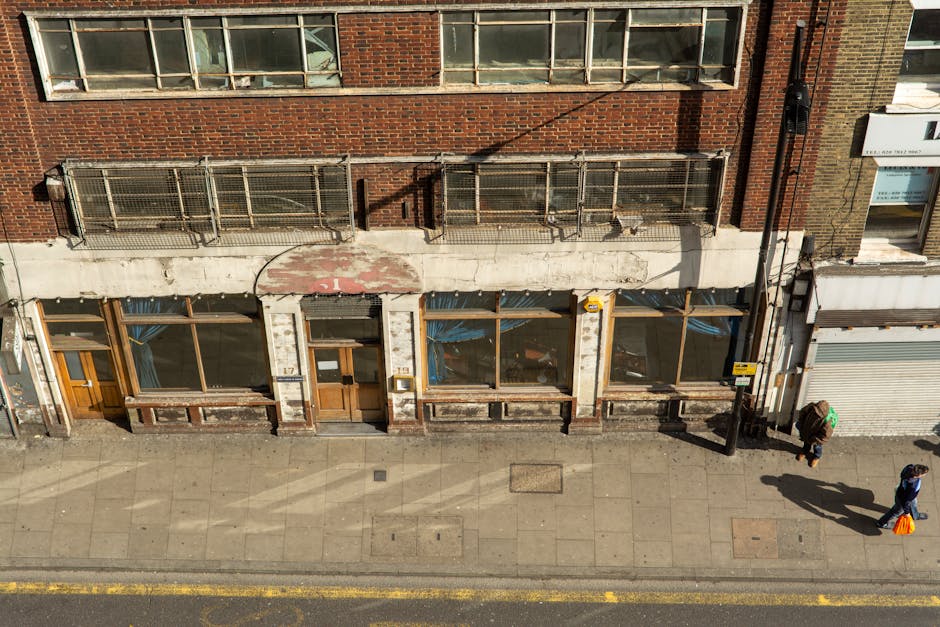
Stockwell cafe rubbish clearance case study shop turnaround
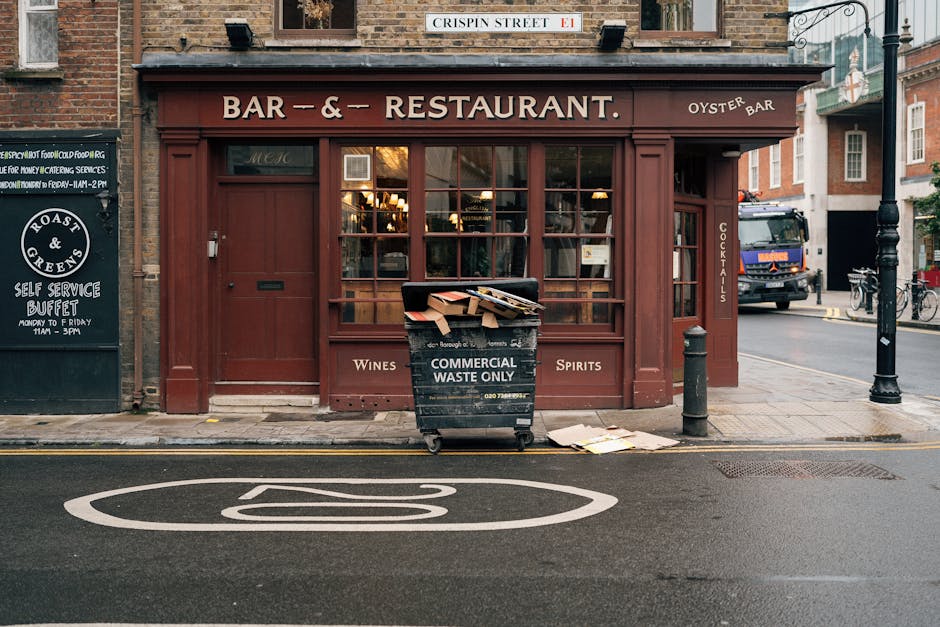
If you run a cafe or small shop in Stockwell, you already know how quickly clutter can take over. One busy week, a delivery delay, a broken fridge, a stack of old packaging and a few awkward bits of furniture can turn a workable back room into a mess. And once the rubbish starts eating into floor space, it affects everything: speed, hygiene, staff morale, customer impressions, even how calm the place feels at 8 a.m. before the first coffee is poured.
This Stockwell cafe rubbish clearance case study shop turnaround guide breaks down what a proper clearance-led reset looks like, why it matters, and how businesses can use it to improve day-to-day operations without overcomplicating the job. It is written for owners, managers, landlords, and anyone trying to get a cafe, takeaway, convenience shop, or small retail unit back under control. We will keep it practical, local, and honest. No fluff. Just the kind of detail that helps you make the right call.
There is a simple truth here: when waste is handled well, a shop feels easier to run. When it is handled badly, everything feels harder. Sounds obvious, but you'd be surprised how often that gets missed.
- Why this kind of clearance matters
- How the process works
- Key benefits and practical advantages
- Who this is for
- Step-by-step guidance
- Expert tips for better results
- Common mistakes to avoid
- Tools, resources and recommendations
- Law, compliance, standards, or best practice
- Options and comparison
- Case study or real-world example
- Practical checklist
- Conclusion
- Frequently asked questions
Why Stockwell cafe rubbish clearance case study shop turnaround Matters
A cafe or shop is not just a sales space. It is also a working environment with stock, packaging, deliveries, cleaning supplies, food waste, old fixtures, broken kit, and the odd mystery item that nobody quite claims ownership of. In a busy area like Stockwell, where premises are often compact and footfall can be intense at peak times, clutter can build up faster than people expect.
A well-run rubbish clearance changes more than the look of the place. It can improve flow behind the counter, reduce trip hazards, make cleaning faster, and help staff get back to the basics of serving customers. For many businesses, the real turnaround begins when the back-of-house stops feeling like a storage problem and starts functioning like a workspace again.
That is the core of this topic. It is not about simply throwing things away. It is about making the shop work better. A clearance job, done properly, can create a cleaner, safer, more efficient layout, and that can have a knock-on effect on service and sales. Maybe not overnight miracles, let's be fair, but a very real improvement.
There is also a customer-facing angle. Even if the rubbish is hidden at the back, staff pressure tends to show on the shop floor. If the team is constantly stepping around bags, boxes, old shelving, or surplus equipment, the service experience can feel rushed and uneven. Clear the waste, and the whole pace often settles down.
How Stockwell cafe rubbish clearance case study shop turnaround Works
The process is usually straightforward, but the details matter. A good clearance starts with a proper look at what is actually there. Not just "some junk in the back". You need categories: general waste, recyclable materials, bulky items, damaged furniture, redundant appliances, packaging, and anything that might require special handling.
In a cafe turnaround, the team will often work in stages. First comes a quick site review. Then the items are sorted into what can be removed, what should be recycled, and what needs special care because it contains food residue, electrical parts, or sharp edges. After that, the rubbish is lifted out efficiently so the business can get back to normal with minimal disruption.
For retail spaces, the process may also include removing broken display units, old shelving, damaged stockroom items, and leftover materials from a refit or stock reset. If the shop has been under pressure for weeks, there can be a surprisingly long list. That is not unusual. Truth be told, small commercial spaces collect "temporary" items very quickly, and temporary has a habit of becoming permanent.
In practice, a good clearance should be planned around opening hours, delivery times, and staff availability. A two-hour window before trading begins can work well for some sites. Others need a split approach, especially where access is tight or waste is spread across multiple rooms. The aim is to remove the problem without creating a bigger one.
When the rubbish is gone, the turnaround part begins. This is the point where owners usually notice what the space could be doing better. Maybe the storage layout suddenly makes sense again. Maybe the counter area feels less cramped. Maybe the back room, which had become a bit of a graveyard for broken fittings, is finally usable. That's the moment the business starts breathing again.
Key Benefits and Practical Advantages
The obvious benefit is a cleaner premises. But if that were all it did, this topic would be much less interesting. In real life, the gains are wider.
Better space use. Clearance creates usable floor area. In a cafe, that might mean more room for stock rotation, prep, or cleaning. In a shop, it can free up storage and make replenishment less stressful.
Improved safety. Rubbish, broken furniture, loose cardboard, and overfilled back rooms can all create hazards. A clearer space reduces the chance of trips, blocked exits, or awkward lifting.
Faster cleaning. If a room is packed with clutter, cleaning takes longer and tends to be less thorough. Once the waste is removed, the team can actually reach corners, skirting boards, and hard-to-access areas.
Better presentation. Customers may not see the back room, but they do notice when a place feels organised. A tidy operation often gives staff more confidence, and that shows on the floor.
Lower stress for staff. People work better in a space that is not constantly fighting them. Simple as that. Nobody enjoys dodging a pile of flattened boxes all day.
More practical stock control. If old fittings, unused crates, and random surplus items are removed, it becomes easier to see what stock is actually present and what needs reordering.
Better decision-making. Once the clutter is gone, owners can judge the space honestly. Should the back room be rearranged? Is there enough cold storage? Does the old counter still make sense? Clearance gives you a clear view, which is often half the battle.
| Benefit | What it means in a cafe or shop | Why it matters day to day |
|---|---|---|
| Space recovery | Removes unused items, packaging, and bulky waste | Makes stockrooms and prep areas usable again |
| Safer working conditions | Clears trip hazards and blocked routes | Helps protect staff and visitors |
| Operational reset | Lets the business reorganise storage and workflow | Can improve speed and reduce daily friction |
| Cleaner appearance | Removes signs of neglect or temporary disorder | Supports customer trust and staff morale |
Who This Is For and When It Makes Sense
This kind of clearance is most useful for small and medium businesses that are short on space, time, or both. A Stockwell cafe with a tight back corridor, a local deli with overflow packaging, a barber shop storing old chairs in the stockroom, or a convenience store after a refit all fall into the same general need: remove what no longer serves the business and make the premises easier to run.
It also makes sense when a business is changing hands, preparing for an inspection, dealing with post-refit waste, or trying to tidy up after a hectic trading period. Winter can be particularly awkward in London because wet weather, muddy deliveries, and extra packaging all pile pressure onto limited storage space. By the time spring arrives, people often realise they have been working around the same clutter for months.
You may need this if:
- the stockroom is full of old boxes, broken fixtures, or unused equipment
- staff are spending too much time moving rubbish around rather than clearing it
- there are bulky items that local bins cannot handle easily
- the space needs a reset before reopening, rebranding, or handing over the lease
- you want to improve safety and present a more professional operation
It is also worth saying that not every cluttered business needs a major clear-out. Sometimes the answer is better storage, better bin discipline, and a more regular waste routine. But if the mess has become structural, a one-off clearance can be the clean break that gets everything moving again.
Step-by-Step Guidance
If you are planning a clearance-led turnaround, keep the process simple and structured. This is not the place for vague intentions and "we'll sort it next week" energy. Let's walk through the practical version.
- Walk the site properly. Identify where the waste is, what types of materials are involved, and whether there are access issues such as narrow stairways, rear lanes, or limited parking.
- Separate the obvious categories. General rubbish, cardboard, furniture, electricals, and anything potentially contaminated should not all be treated the same way.
- Check what can be reused or donated internally. Occasionally a shelf, table, or storage unit is still useful if moved elsewhere in the business. Not everything needs to leave.
- Set the clearance window. Choose a time that reduces disruption. Early mornings, closed hours, or quieter trading periods often work best.
- Protect surfaces and traffic routes. If items are being moved through customer areas, use sensible precautions to avoid scuffs, mess, or blocked entry points.
- Remove waste in the right order. Bulky items first, then loose waste, then final sweep-up. It is a small detail, but it keeps the job efficient.
- Do a final check. Once the rubbish is gone, look again at access, hygiene, storage, and any remaining hazards. That last pass is where the real value often appears.
A useful rule of thumb: if an item is costing you space, slowing the team down, or creating risk, it probably belongs in the clearance plan. If it is only there because nobody had time to deal with it, that is usually the first thing to remove. Convenient? Yes. But also true.
Expert Tips for Better Results
Here is where small improvements make a big difference. In our experience, the best clearance jobs are rarely the fanciest ones. They are the well-planned ones.
Start with the back-of-house. It is tempting to focus on the front because that is what customers see, but the real operational gains usually begin in storage, prep, and utility areas.
Photograph the space before and after. Not for vanity, just for clarity. It helps you see what changed and makes it easier to plan the next stage of the turnaround.
Label what stays. If an item remains on site, mark where it belongs. Otherwise clutter creeps back in. Slowly, then all at once.
Think in zones. A cafe might need separate zones for delivery boxes, cleaning stock, dry goods, and waste waiting for collection. A shop may need a returns zone, a packing zone, and a clearance corner. Clear zones cut confusion.
Keep access in mind. If the only route out is through the customer area, plan timing carefully. A cramped doorway and a Tuesday lunch rush are not exactly a dream combination.
Be realistic about contamination. Food waste, broken containers, and items stored near spills may need different handling from clean cardboard or unused fixtures. Treating everything as "just rubbish" can create avoidable issues.
Use the reset moment to fix workflow. This is the underrated bit. A clearance gives you a fresh look at how stock comes in, where it sits, and how staff move around the space. That insight is often more valuable than the waste removal itself.
One more thing: if the space feels embarrassing to show anyone, you probably need a plan sooner rather than later. That reaction is a signal. Listen to it.
Common Mistakes to Avoid
A lot of clearance projects go wrong in predictable ways. None of them are dramatic. They are just the kind of small mistakes that quietly waste time and money.
Leaving the sort-out until the day of removal. This is a classic. If nobody has reviewed the site beforehand, the team ends up making decisions on the fly. That slows everything down.
Mixing recyclable and non-recyclable waste. Cardboard, clean packaging, wood, and general rubbish should not all be thrown together if you can avoid it. Mixed loads are harder to manage and usually less efficient.
Ignoring access constraints. Tight stairs, shared corridors, loading restrictions, and neighbours all affect how the job should be done. On a busy Stockwell street, access planning is not a nice extra. It is essential.
Overlooking hidden clutter. Under counters, above shelves, inside old cabinets, behind fridges, and in stockroom corners - that is where forgotten waste lives. And it does live there, for ages sometimes.
Forgetting the follow-up. Clearing the rubbish without changing storage habits just resets the clock. The same mess often returns.
Assuming all bulky items are the same. Furniture, fittings, appliances, and mixed material items may need different treatment. A one-size-fits-all approach is rarely the cleanest option.
Working without a final floor check. After the removal, inspect for nails, glass, spill residue, or packaging fragments. A room can look clean and still be awkward underfoot.
Tools, Resources and Recommendations
You do not need a van full of equipment to improve a small commercial clearance, but the right basics help. The aim is to stay safe, stay organised, and avoid rework.
- Heavy-duty waste sacks for lighter mixed rubbish and packaging
- Gloves and suitable protective gear for handling rough or sharp materials
- Labels or marker tape to separate keep, move, recycle, and remove items
- Trolleys or sack trucks for bulky items and repeated trips through narrow spaces
- Cleaning supplies for the post-clearance sweep and quick sanitising
- Camera or phone photos to document the space before and after
If you are reviewing service options on the same website, the pages on business waste removal, waste removal, and pricing and quotes are useful starting points for understanding how a commercial clearance may be structured.
For businesses with bulky furniture or fixtures, it can also help to look at furniture clearance and furniture disposal so you can separate items that are simply old from items that need more careful handling. If the space includes mixed surplus stock or general domestic-style clutter, the site's home clearance and house clearance pages may also offer a helpful sense of process, even if your job is commercial.
If your turnaround involves old shelving, stripped-out interiors, or post-refit material, the builders waste clearance page is worth a look too, because retail refurb waste can be a bit of a hybrid job. Not quite building site, not quite standard rubbish. Somewhere in the middle.
Law, Compliance, Standards, or Best Practice
Waste handling in the UK needs sensible care, especially for business premises. You do not need to be a lawyer to stay on the safe side, but you do need to avoid casual shortcuts. The main thing is to use a lawful, traceable approach for commercial waste and to keep materials separate where that improves recycling or safe disposal.
For cafe and shop owners, common best-practice points include:
- making sure waste is stored securely before collection
- separating recyclable materials where practical
- keeping walkways and fire exits clear
- handling sharp, heavy, or contaminated items carefully
- using a provider that understands commercial waste expectations
It is also sensible to think about health and safety during lifting, loading, and movement through the premises. A small clearance can still cause injuries if people rush, twist badly, or underestimate how awkward old shop fittings can be. Anyone who has tried to move a wobbly display unit through a narrow corridor knows the feeling. Not fun.
For internal policies and practical reassurance, this website's health and safety policy and insurance and safety pages are useful to review. If you are concerned about sustainability and diversion from landfill, the recycling and sustainability page gives a better sense of the wider approach.
For general trust and admin details, the about us page can help explain who you are dealing with, and the terms and conditions page is always worth a careful read before booking any service. A little diligence up front saves awkwardness later. Always does.
Options, Methods, or Comparison Table
Not every clearance-led turnaround needs the same approach. The right method depends on the size of the mess, the urgency, the type of waste, and how much disruption the business can tolerate.
| Method | Best for | Pros | Watch-outs |
|---|---|---|---|
| Phased clearance | Active cafes and shops that cannot fully close | Low disruption, easier to schedule | Takes longer and needs good planning |
| Full one-off clearance | Major clutter, refits, or end-of-lease resets | Fast transformation, cleaner reset | More intense on the day, requires access planning |
| Targeted bulky-item removal | Old fridges, shelving, chairs, counters | Solves the biggest space blockers quickly | May not address smaller clutter issues |
| Ongoing commercial waste support | Busy premises needing regular control | Prevents build-up, supports consistency | Needs discipline and routine |
If you are unsure which route to take, think about the problem you are trying to solve. If the main issue is an overfilled stockroom, a targeted or phased approach may be enough. If the entire shop needs to feel different, a full reset is often the better move. That decision usually becomes obvious the moment you open the back door and think, "Right. This is a bit much."
Case Study or Real-World Example
Here is a realistic example of how a Stockwell cafe clearance and shop turnaround can play out, without inventing drama or fake numbers. A small cafe had built up a backlog of old packaging, broken chairs, surplus display items, and unused equipment in its back prep and storage space. Nothing catastrophic. Just enough clutter to make every task slower.
Staff were moving around stacked boxes, the cleaning routine had become awkward, and the manager could not easily see what stock was actually available. Delivery days were especially messy because new items had nowhere sensible to go. The shop floor looked fine to customers, but behind the scenes it felt cramped and a bit tired.
The turnaround started with a site review and a quick sort into keep, recycle, and remove. Old chairs that were no longer safe or useful went first. Then packaging, mixed rubbish, and obsolete stockroom items were cleared. After that, the team rethought the storage layout so the most frequently used items sat closest to the prep area. The point was not just to empty the room. It was to make the room earn its keep.
What changed? The team moved faster because they were not stepping around clutter. Cleaning became easier. The stockroom felt calmer. The cafe looked more organised, even though customers never saw the clearance itself. And perhaps most importantly, the manager had a clearer picture of what the business actually needed going forward.
That is the real lesson. A clearance is often the first visible step in a wider shop turnaround. Once the waste is out of the way, better decisions become possible. And that can be surprisingly motivating. A tidy room has a way of making the next job feel less impossible.
Practical Checklist
Use this checklist before any cafe or shop clearance. It keeps the job focused and reduces last-minute scramble.
- Walk the site and note every waste area
- Identify bulky items, recyclable materials, and anything unusual
- Check access routes, doors, stairs, and parking limits
- Choose a clearance time that least affects trading
- Separate what stays, what moves, and what goes
- Protect customer areas and flooring if waste passes through them
- Arrange gloves, bags, trolleys, and cleaning supplies
- Remove the largest obstruction first
- Do a final sweep for hazards, debris, and forgotten items
- Reset storage so the clutter does not come straight back
Quick takeaway: the best clearances are not just about removal. They are about creating a calmer, safer, easier business to run.
Get a free quote today and see how much you can save.
Conclusion
A Stockwell cafe or shop does not need to stay cramped, cluttered, or stuck in the loop of "we'll deal with it later". A well-planned rubbish clearance can open up space, improve safety, sharpen workflow, and give the business room to breathe again. That is the turnaround part of the story. Not magic. Just smart, practical action that changes how the premises feels and functions.
If you are weighing up the next step, start with the space itself. What is blocking movement? What is slowing the team down? What is no longer worth keeping? Once you answer those questions honestly, the path forward gets much clearer. And often, that is enough to begin.
There is something quietly satisfying about a room that works properly again. You can feel it when you walk in.
Frequently Asked Questions
What does a Stockwell cafe rubbish clearance case study shop turnaround usually include?
It usually includes removing general rubbish, bulky waste, old fixtures, packaging, unused stockroom items, and anything else that is stopping the cafe or shop from functioning properly. The turnaround part comes from resetting the space so it is easier to work in afterwards.
Is this kind of clearance only for cafes?
No. It is just as relevant for small retailers, takeaways, delis, convenience stores, salons, and other compact premises. Any business with a cluttered back room or unused equipment can benefit.
How do I know if my shop needs a full clearance or just a tidy-up?
If clutter is affecting safety, cleaning, storage, or staff movement, a full clearance is probably more appropriate. If the issue is mainly loose packaging or a few redundant items, a lighter tidy-up and routine waste plan may be enough.
Can a clearance happen while the business stays open?
Often yes, but it depends on access, the amount of waste, and how disruptive the job would be. Many businesses prefer early mornings or closed periods so customers are not affected.
What types of waste are hardest to deal with in a small cafe or shop?
Bulky furniture, old display units, mixed materials, and items with food residue or electrical components tend to need the most planning. They take up space and can be awkward to move safely.
How long does a shop turnaround clear-out normally take?
That varies a lot depending on the size of the premises and how much waste has built up. A small clearance may be fairly quick, while a fuller reset with sorting and access challenges will take longer. The key is to plan it properly rather than rush it.
What should I prepare before booking a rubbish clearance?
It helps to identify what needs removing, check access routes, choose a suitable time, and separate anything you want to keep. If possible, have a quick walk-through before the job so nothing important gets missed.
Do I need to worry about compliance for business waste?
Yes, at least to the extent of making sure the waste is handled responsibly and the site stays safe. Commercial waste should be dealt with carefully, with particular attention to sorting, storage, and safe lifting practices.
What if some of the items are still usable?
Then it may be worth keeping, relocating, reusing elsewhere, or setting aside for a separate disposal route. Not everything in a clearance has to be treated the same way. A little judgement goes a long way.
Can rubbish clearance help improve staff morale?
Yes, often more than people expect. A cleaner, less crowded space makes work feel less chaotic. Staff usually notice when they can move freely and find things quickly. It sounds small, but it matters.
What is the difference between commercial waste removal and furniture clearance?
Commercial waste removal is broader and can cover mixed waste from a business premises. Furniture clearance is more specific and focuses on chairs, tables, shelving, counters, and similar bulky items. Many shop turnarounds use both approaches together.
How can I stop the clutter coming back after the clearance?
Set clear storage zones, review deliveries, keep recycling separate, and schedule regular waste checks. The secret is not perfection. It is routine. A short weekly reset is often enough to stop a fresh pile-up.
Where should I start if my business is already overwhelmed?
Start with the most obstructive items first: anything blocking access, creating risk, or making normal work harder. Once those are gone, the rest becomes much easier to sort. One step at a time is fine. No need to do it all in one dramatic swoop.